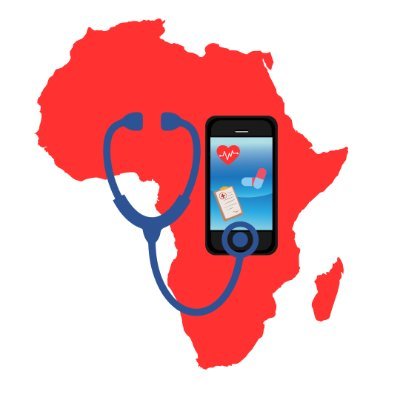
With the dramatic increase in the collection of health data, health apps have been promoted as offering major advances for people in the Global South, but they also pose risks to privacy and, ultimately, to health outcomes. There is No App for This! analyses the regulation of health apps in Africa.
As an implementing partner, ADiJUST works with the University of Warwick and other partners to evaluate data protection regimes and engage stakeholders in Kenya, South Africa, and Uganda, establishing the extent to which they protect citizens’ health data, especially in cross-border health activities.
Focusing on law, bioethics, entrepreneurship, epidemiology, and policymakers, the project brings stakeholders together to empirically investigate how health apps operate in practice, whether new forms of regulation are adequate, and how better regulatory frameworks can be created.
In collaboration with the University of Warwick, CIPESA, and Africa CDC, ADiJUST has convened community outreach engaging young people in underserved urban communities in Uganda, enhancing awareness of digital health rights, data governance, privacy, and accountability, and informing evidence-based policy including the Africa CDC Model Law on Health Data Governance.
To contribute to the creation of better regulatory frameworks for digital health data in Africa.
Health app users; students, academia, healthcare practitioners, app developers, service providers, policymakers, and regulators.
A rights-based, African-led vision of artificial intelligence that places human rights, digital justice, and public accountability at the centre of AI development.
Learn more →
Examines how big, small, and medium tech companies and governments intersect with fundamental rights, holding technology actors accountable.
Learn more →
Ensures digital transformation empowers, rather than excludes, Africa's most vulnerable: children, youth, women, and marginalized communities.
Learn more →
Addresses governance challenges at the intersection of technology, digitalization, and sexual and reproductive health and rights in Africa.
Learn more →